
How to Tell If Your Deck Needs Repair After a Connecticut Winter
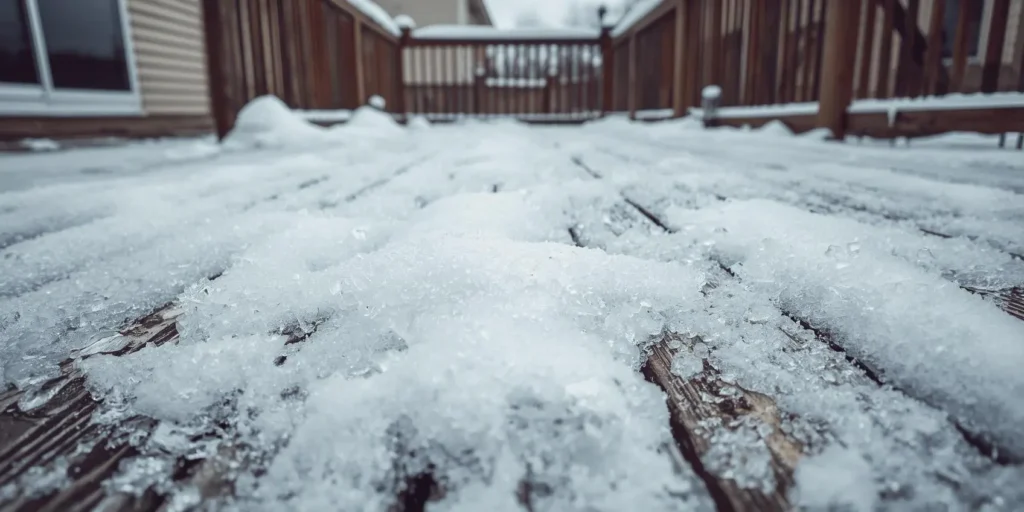
Connecticut winters can be tough on decks. Snow accumulation, ice, moisture, and repeated freeze-thaw cycles quietly stress deck materials and structural components for months at a time. When spring arrives, many homeowners are left wondering: Is my deck still safe—or does it need repair?
The good news is that winter damage often shows clear warning signs if you know what to look for. Catching problems early can help prevent costly repairs—or even full replacement—later on.
Below are the most important indicators your deck may need attention after a Connecticut winter.
1. Loose or Wobbly Railings
Railings take a beating during winter. Snow load, ice expansion, and temperature swings can loosen fasteners and weaken connections. Warning signs include:
- Railings that move when leaned on
- Posts that feel unstable at the base
- Rusted or protruding fasteners
Loose railings are a serious safety issue, especially for families, pets, and guests, and should be addressed promptly.
2. Soft, Spongy, or Cracked Deck Boards
Moisture is one of the biggest threats to decks in Connecticut. Snow melt can seep into wood fibers, freeze overnight, and expand—causing damage over time. Check for:
- Boards that feel soft or spongy underfoot
- Cracks, splits, or excessive splintering
- Boards that remain damp long after snow has melted
These symptoms often indicate rot or moisture intrusion, which can worsen quickly if left untreated.
3. Sagging or Uneven Areas
Snow load adds significant weight to decks, especially older structures or those not built to current standards. Look for:
- Sections of the deck that appear lower than others
- A noticeable dip or bounce when walking
- Stairs that no longer sit level
Sagging can signal issues with joists, beams, or supports and should be professionally evaluated.
4. Corroded or Failing Fasteners
Winter moisture and road salt residue can accelerate corrosion in older nails, screws, and metal connectors. Signs include:
- Rust stains around fasteners
- Screws backing out of boards
- Loose or missing hardware
Fastener failure can compromise both surface boards and structural integrity.
5. Ledger Board and Flashing Concerns
The ledger board—where the deck attaches to your home—is one of the most critical components and one of the most common failure points. Red flags include:
- Water stains near the deck-to-house connection
- Soft wood around the ledger area
- Missing or damaged flashing
Problems here are often hidden but can lead to serious structural damage if ignored.
6. Shifting Stairs or Footings
Connecticut’s freeze-thaw cycles can cause soil movement, known as frost heave, which can shift deck stairs or footings. Watch for:
- Uneven or tilted steps
- Gaps where stairs meet the deck
- Movement when stepping on stairs
These issues not only affect usability but can also create tripping hazards.
7. Peeling Finish or Excessive Discoloration
While cosmetic issues may seem minor, they often signal deeper problems. Common winter-related signs include:
- Peeling paint or stain
- Gray, weathered wood
- Dark patches that indicate trapped moisture
A compromised finish allows water to penetrate more easily, accelerating deterioration.
When to Repair vs. When to Replace
Not all winter damage means your deck needs to be replaced. In many cases, targeted repairs—such as board replacement, railing reinforcement, or localized framing fixes—can safely extend the life of your deck for years.
However, widespread structural rot, repeated failed repairs, or major ledger issues may point toward replacement as the safer long-term option.
A professional inspection is the best way to determine the right path forward.
Why Early Spring Is the Best Time to Inspect
Early spring is ideal for identifying winter damage before outdoor use ramps up. Addressing issues now helps:
- Prevent further deterioration during spring rains
- Avoid peak-season scheduling delays
- Ensure your deck is safe before entertaining begins
Final Thoughts
Connecticut winters are unforgiving, but winter damage doesn’t have to mean the end of your deck. By knowing what to look for and addressing problems early, you can protect your investment, improve safety, and extend your deck’s lifespan.
If you’re unsure about your deck’s condition after winter, our deck repair services in Connecticut can help you understand your options and plan next steps with confidence.