
Deck Repair vs Replacement: What Connecticut Homeowners Should Know
If you own a home in Connecticut, your deck takes a beating. Snow loads, freeze-thaw cycles, spring moisture, summer humidity, and fall debris all accelerate wear. Eventually, every homeowner faces the same question: should you repair your deck or replace it entirely?
Making the right decision can save thousands of dollars — or prevent you from throwing money at a structure that’s beyond saving. Here’s what Connecticut homeowners should consider before deciding.
Why Connecticut Weather Matter
Connecticut’s climate is one of the biggest factors in deck deterioration. The freeze-thaw cycle causes wood to expand and contract repeatedly. Moisture seeps into cracks, freezes, and widens those cracks over time. Add humidity in the summer and snow accumulation in winter, and decks here age faster than in milder climates.
That means small issues can escalate quickly if ignored.
Signs Your Deck Can Be Repaired
In many cases, a professional deck repair is the most practical and cost-effective solution.
Repair may be appropriate if:
The damage is isolated.
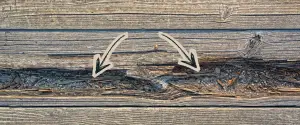
A few cracked or rotted boards can usually be replaced without rebuilding the entire structure.
The framing is structurally sound. If the joists, beams, and ledger board are solid and properly attached to the home, surface repairs are often sufficient.
Railings or stairs are loose but intact. These can frequently be reinforced or rebuilt without replacing the deck platform.
The deck is under 15–20 years old. Age alone doesn’t determine condition, but relatively newer decks with limited wear are often good candidates for repair.
Repairs may include replacing decking boards, securing railings, reinforcing framing, addressing minor rot, and updating fasteners to modern code standards.

Signs It’s Time for Full Deck Replacement
Replacement becomes the smarter option when structural integrity is compromised.
Warning signs include:
- Widespread rot in framing members
- Soft or spongy joists
- Ledger board deterioration where the deck attaches to the house
- Noticeable sagging or shifting
- Extensive mold, insect damage, or water infiltration
- Multiple prior patch repairs that haven’t solved underlying issues
In these cases, continuing to repair may cost more over time and still leave safety concerns unresolved.
Cost Considerations in Connecticut
Repair is typically less expensive upfront. However, repeated repairs on an aging structure can quickly add up.
Replacement costs more initially but offers long-term value, improved safety, updated design, and modern materials that may require less maintenance.
Local material prices, labor demand, permit requirements, and current building codes all impact pricing in Connecticut. Homeowners should also consider whether upgrading to composite decking or pressure-treated lumber better fits their long-term plans.
Permit and Code Requirements
In Connecticut, deck repairs that are purely cosmetic may not require permits. However, structural repairs or full replacements typically do. Building codes have evolved over the years, particularly regarding ledger board attachment, railing height, stair safety, and load requirements.
Consult your local building department or a licensed contractor to confirm requirements in your municipality. The Connecticut State Building Code governs minimum safety standards statewide.
How Long Will Each Option Last?
A properly executed repair on a structurally sound deck can extend its life by 5–15 years, depending on materials and maintenance. A full replacement, especially with upgraded materials, may last 20–30 years or longer with proper care.
The key question isn’t just “What costs less today?” It’s “What gives me the safest, most reliable structure for the next 10–20 years?”
Safety Should Always Come First
Deck failures are rarely sudden. They usually result from years of unnoticed deterioration. If your deck feels unstable, bouncy, or visibly deteriorated, have it professionally evaluated before hosting gatherings or placing heavy loads on it.
The National Association of Home Builders notes that decks should be inspected regularly, especially if they are over 10 years old.
Making the Right Decision
Every deck is different. The best way to determine whether repair or replacement is appropriate is through a hands-on inspection.
If you’re unsure about the condition of your deck, our team can provide a thorough evaluation and explain your options clearly. We focus on safe, code-compliant repairs and practical solutions tailored to Connecticut homes.
If you’re looking for professional deck repair services in Connecticut, contact us today to schedule an assessment. For additional deck maintenance tips, read this article.