
Deck Inspection Guide for Connecticut Homeowners:
What to Check and When to Call a Professional
If you own a home in Connecticut, your deck takes a beating year-round. Between harsh winters, moisture, freeze-thaw cycles, and humid summers, even a well-built deck can begin to show signs of wear faster than you might expect. The good news is that with a simple, routine inspection, you can catch small issues early—before they turn into costly repairs or safety hazards.
This guide walks you through a practical, homeowner-friendly deck inspection process and helps you understand when it’s time to bring in a professional deck contractor like To Do List Decks.
Why Regular Deck Inspections Matter in Connecticut
Connecticut’s climate is one of the toughest in the country for outdoor structures. Snow, ice, and moisture can seep into wood, fasteners can loosen over time, and structural components can degrade without obvious warning signs.
A basic inspection twice a year—once in the spring and once in the fall—can extend the life of your deck and help you avoid unexpected failures.
Step 1: Start with the Deck Surface
Walk the entire deck slowly and pay attention to how it feels underfoot.
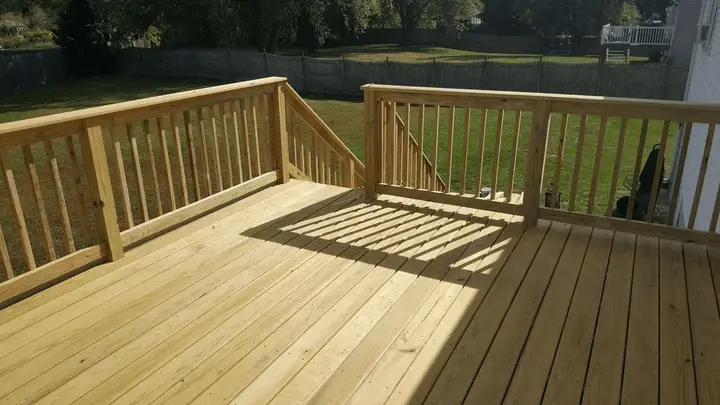
Look for:
1. Loose or shifting boards
2. Soft or spongy spots
3. Cracked, splintering, or warped decking
4. Popped nails or raised fasteners
If boards feel unstable or noticeably weak, that’s often an early indicator of deeper structural issues or rot beneath the surface.
Step 2: Check Railings and Stairs
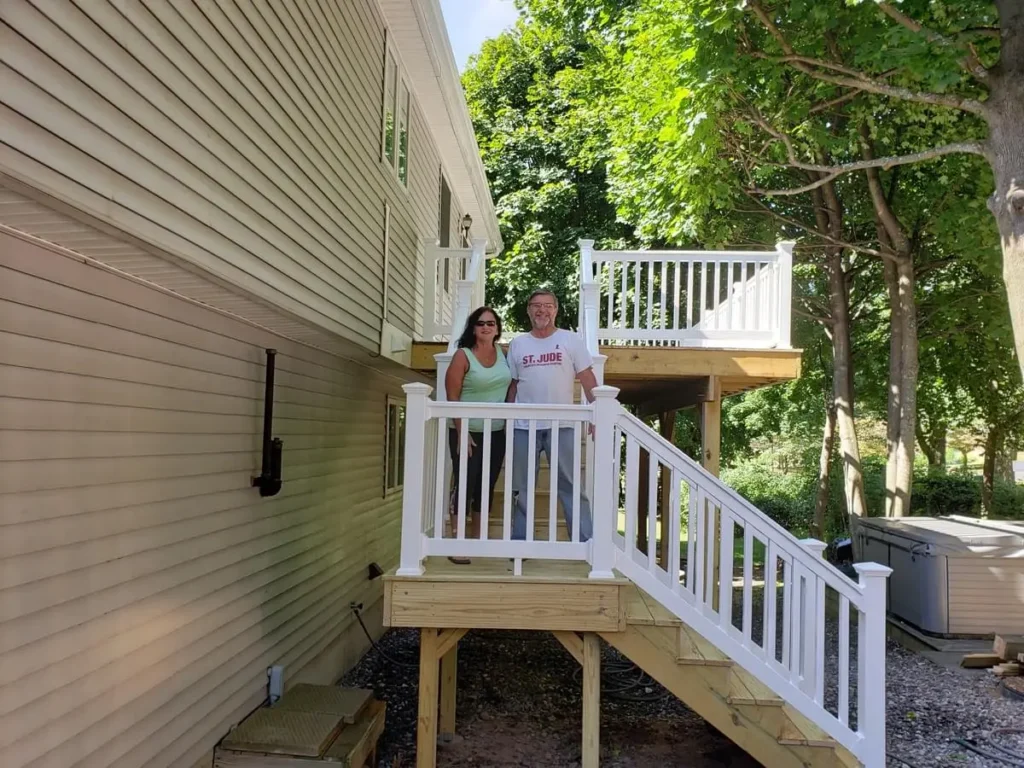
Watch for:
a. Wobbling or movement in railings
b. Loose balusters or posts
c. Unstable stair treads
d. Missing or damaged hardware
Railings should feel solid and secure. Any movement is a red flag that should not be ignored.
Step 3: Inspect the Ledger Board (Critical)
While some parts may be hard to see, look for:
1. Gaps between the deck and the house
2. Signs of water damage or rot
3. Rusted or missing bolts
If anything looks questionable here, it’s time to involve a professional immediately. Ledger failure can lead to serious structural collapse.
Step 4: Examine Support Posts and Framing
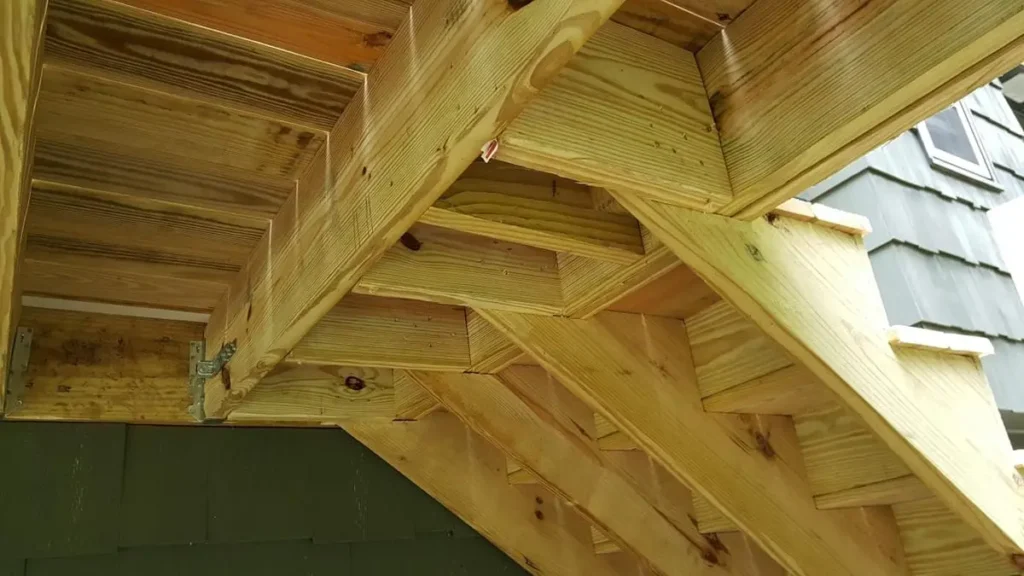
Focus on:
√ Vertical support posts
√ Horizontal beams and joists
√ Connections and brackets
Watch for:
√ Cracks in wood
√ Rot at the base of posts (especially where they meet concrete)
√ Sagging or uneven framing
√ Loose metal connectors or corrosion
Structural components are where safety issues typically begin, even if the deck surface still looks fine.
Step 5: Look for Signs of Rot, Mold, or Insect Damage
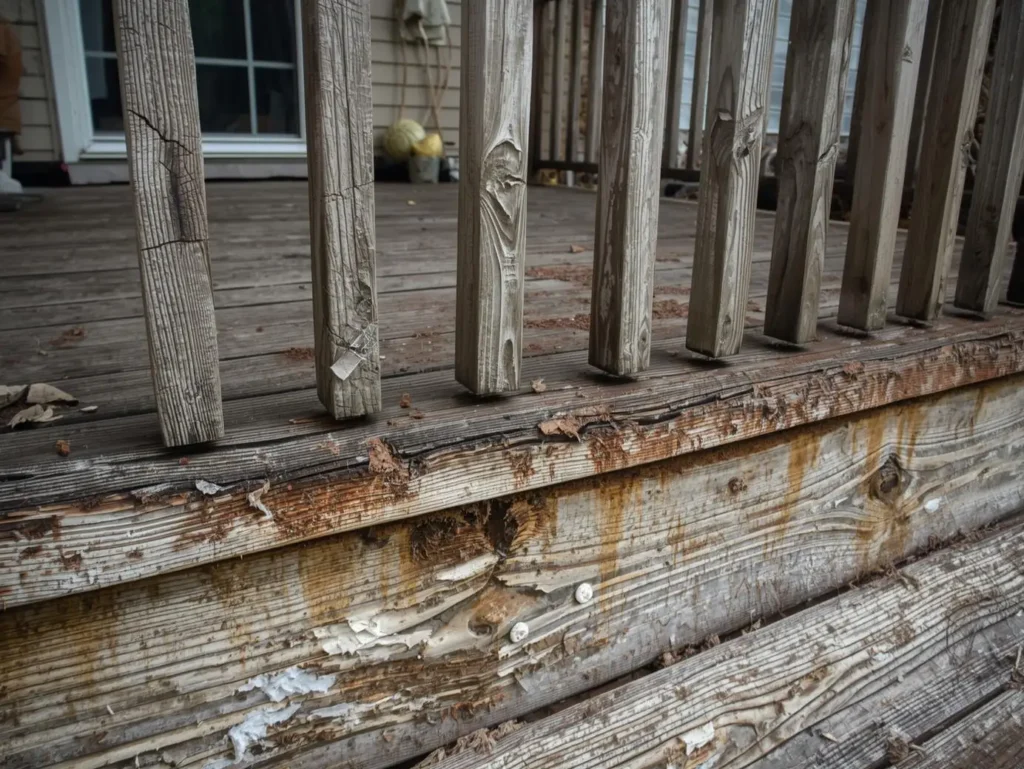
Check for:
1. Dark discoloration or soft wood
2. Mold or mildew buildup
3. Insect damage (especially carpenter ants)
Use a screwdriver to gently probe any suspicious areas—if the wood gives easily, there may be rot.
Step 6: Evaluate Fasteners and Hardware
Your deck is held together by more than just wood.
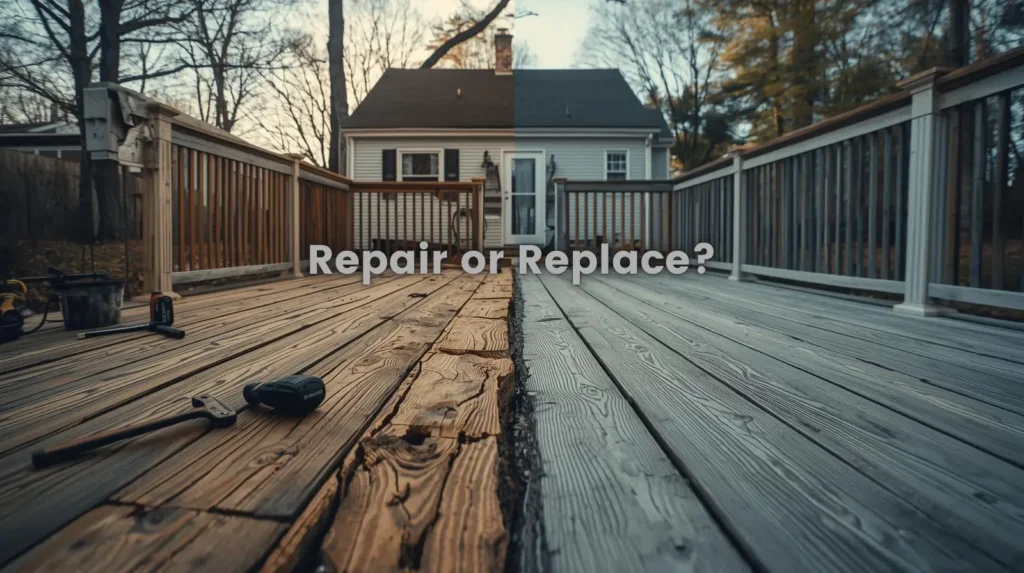
Inspect:
√ Nails, screws, and bolts
√ Joist hangers and brackets
√ Metal connectors
Look for rust, corrosion, or fasteners pulling away from the wood. Connecticut winters can accelerate metal deterioration, weakening key connections over time.
When to Contact a Professional Deck Contractor
There’s a clear line between basic maintenance and structural risk. If you notice any of the following, don’t wait:
Movement in railings or stairs
Soft or rotting wood
Sagging or uneven deck sections
Ledger board concerns
Widespread fastener corrosion
Any uncertainty about structural integrity
At that point, a professional evaluation is the smart move.
Why Experience Matters: Not All Contractors Are the Same
Here’s where many homeowners make a costly mistake—calling a general contractor who “also does decks.”
Decks are not side projects. They are specialized structures that require focused expertise in load-bearing design, moisture management, and safety compliance.
To Do List Decks stands apart because decks are not just one of many services—Decks are the only service.
That singular focus means:
- Deep expertise in deck-specific structural issues
- Experience with Connecticut’s climate-related wear and tear
- Faster, more accurate diagnosis of problems
- Repairs and replacements done right the first time
When your family’s safety and your home’s value are on the line, specialization matters.
Preventive Maintenance Tips to Extend Deck Life
In addition to inspections, a few simple habits can significantly extend your deck’s lifespan:
Clean your deck regularly to prevent mold and mildew buildup
Seal or stain wood surfaces as recommended
Keep debris from accumulating between boards
Ensure proper drainage away from the deck structure
Trim nearby vegetation to reduce moisture retention
These small steps, combined with regular inspections, can save you thousands over time.
Final Thoughts
Your deck is one of the most enjoyable parts of your home—but only if it’s safe and structurally sound.
A simple inspection twice a year can help you stay ahead of problems. And when something doesn’t look right, bringing in a specialized expert like To Do List Decks ensures you get the right solution—not just a temporary fix.
If you’re unsure about your deck’s condition, it’s always better to get a professional opinion. Catching issues early is the key to protecting both your investment and your peace of mind.